How to Use Spray Paint to Transform Your Thrifted or Secondhand Finds
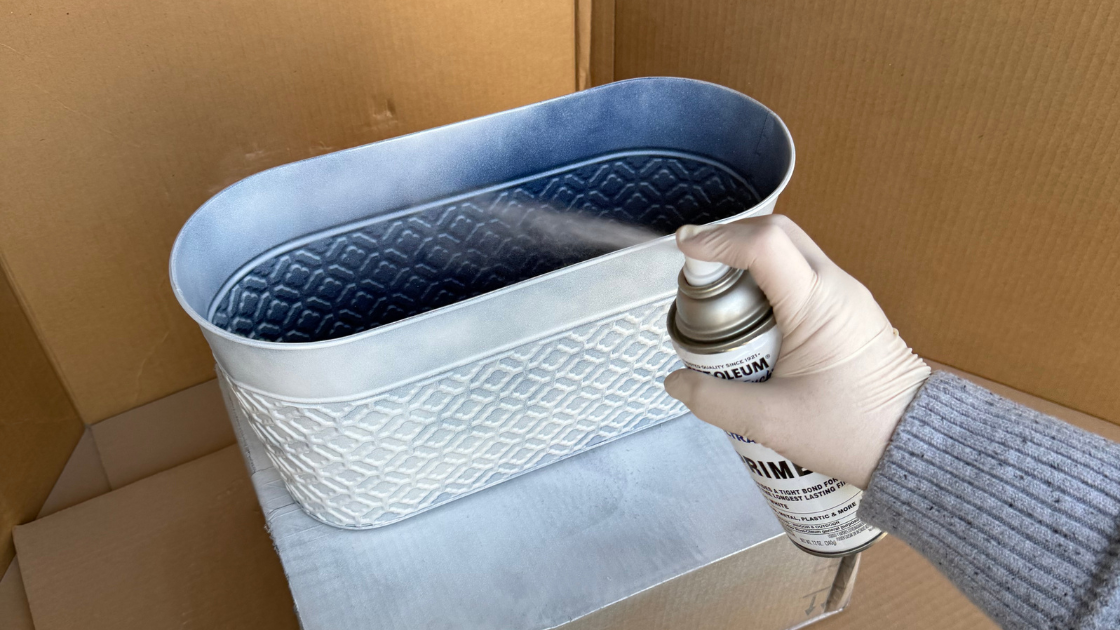
Spray paint is one of the quickest and most affordable ways to give secondhand items a completely new look. Whether you want to refresh a picture frame, modernize a lamp, or try your first upcycling project, spray paint makes it easy to customize pieces to fit your home and style.
This article walks you through the basics—prep, paint, technique, drying time—and shares simple project ideas anyone can tackle.
Why Spray Paint Works for Almost Any DIY Project
Spray paint is popular for a reason. It’s:
-
Budget-friendly.
-
Quick.
-
Beginner-friendly.
-
Able to cover wood, metal, ceramic, wicker, and plastic.
-
Great for modern, smooth finishes.
-
Perfect for upcycling thrifted or inherited items.
-
One of the simplest DIY tools to learn.
-
Ideal for giving items a new look.
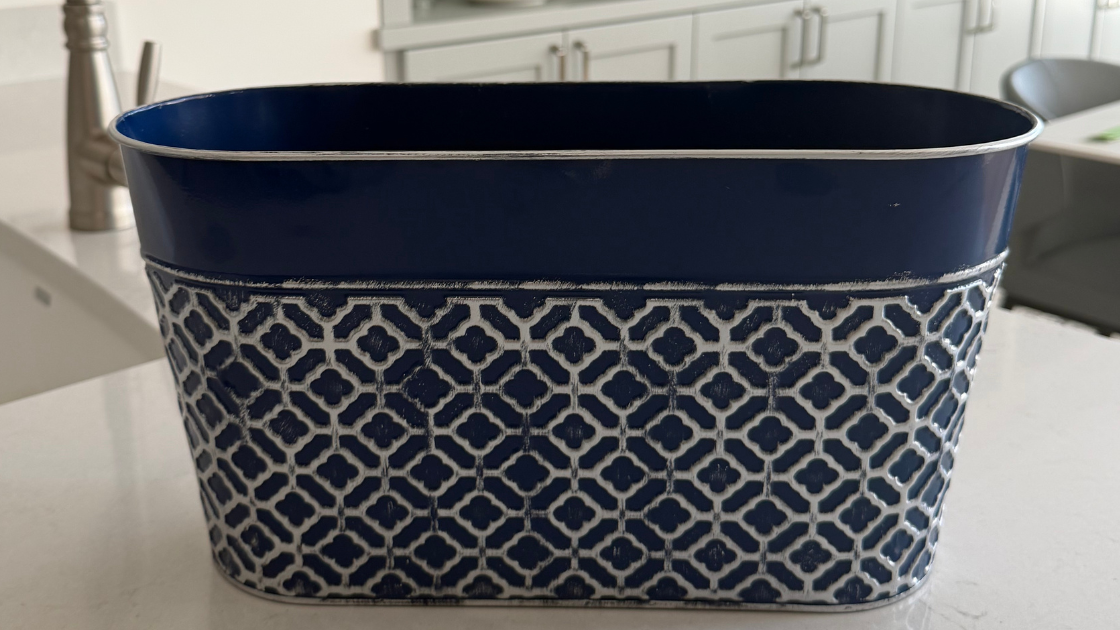
How to Use Spray Paint Effectively
When you’re ready to give spray painting a shot, follow these steps:
Step 1: Prep Your Item
Good spray paint results start with preparation. Before you paint, make sure to:
-
Clean the surface of dust, dirt, oils, stickers, or residue.
-
Lightly sand smooth or glossy items so the paint can adhere.
-
Use a primer on wood, metal, or plastic for better coverage.
-
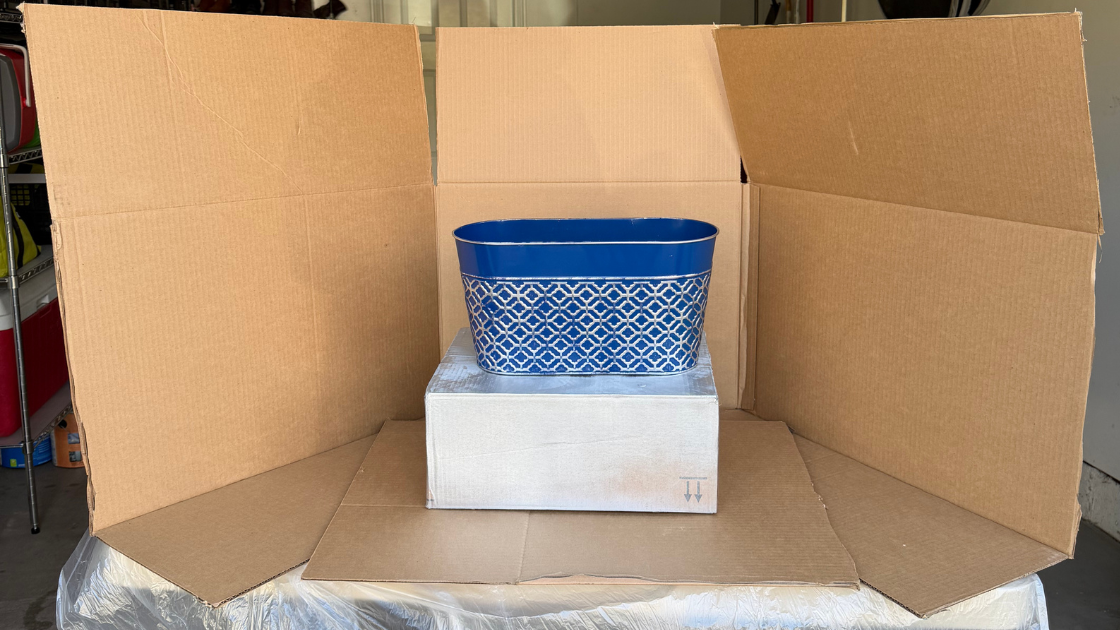
Work in a ventilated area or outdoors.
Taking time to prep can be the difference between a smooth, durable finish and one that chips or looks uneven.
Step 2: Apply Light, Even Coats
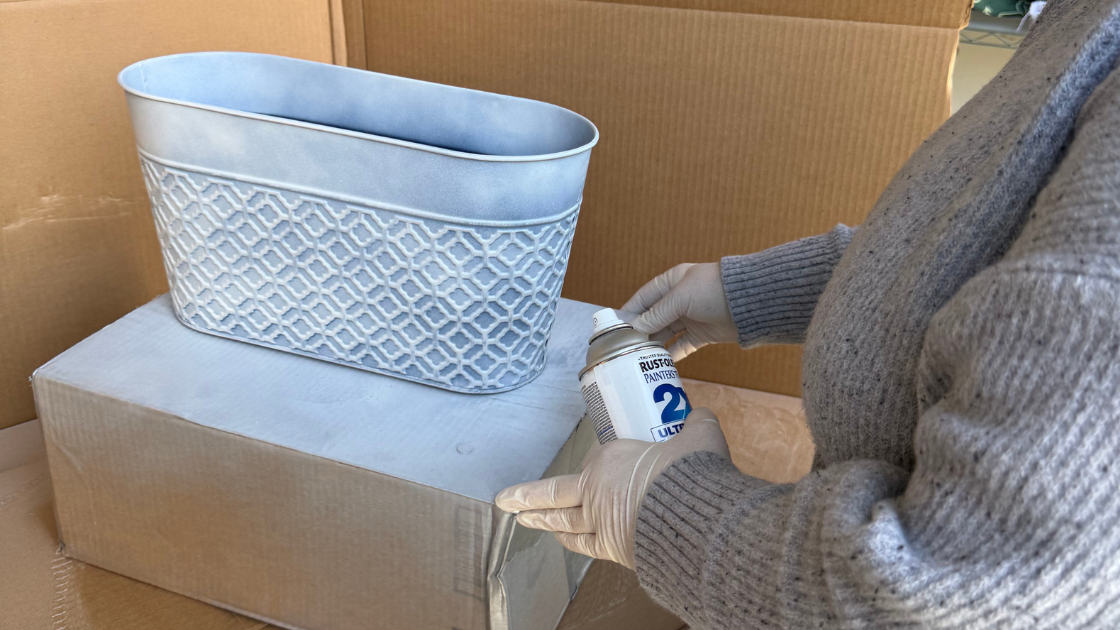
The most common mistake beginners make is applying too much paint at once. Heavy coats cause drips, bubbles, and uneven texture.
For best results:
-
Hold the can 8–10 inches from the surface.
-
Use sweeping motions from side to side.
-
Keep the can moving.
-
Apply multiple light coats.
-
Shake the can for at least 60 seconds before beginning.
Thin layers dry faster, look smoother, and give you better control.
Step 3: Let Each Coat Fully Dry
Spray paint dries quickly, but each layer still needs time to cure. Rushing this step can lead to tacky spots or fingerprints.
For items that will be handled frequently—like baskets, lamps, or storage pieces—finish with a clear protective topcoat to help the paint last longer.
Simple Spray Paint Projects for Beginners
If you’re new to spray painting, start with small, inexpensive items. Great beginner-friendly pieces include:
-
Picture frames: Fast, cheap, and easy to customize in any color or finish.
-
Lamps: A quick coat of spray paint can modernize an old lamp base instantly.
-
Vases and candle holders: Perfect for matte, textured, or stone-look finishes.
-
Baskets: Wicker and woven baskets take spray paint well and look refreshed in minutes.
-
Small décor: Trays, bookends, jars, and figurines are great starter items.
These projects build confidence and teach you how spray paint behaves on different surfaces.
Common Spray Paint Mistakes to Avoid
Spray painting is an easy and affordable way to update furniture and home décor, but a few common mistakes can quickly turn a simple DIY project into a frustrating one.
Whether you’re spray-painting furniture, thrifted décor, or small home accessories, knowing what not to do can make all the difference. When starting your next project, avoid these common spray paint mistakes:
-
Spraying too close to the surface: Holding the can too close can cause drips, pooling, and uneven texture. Keep the spray can about 8–10 inches away for even coverage.
-
Using thick coats instead of thin layers: Thick coats take longer to dry and are more likely to drip. Light, thin layers build a smoother finish and give better results over time.
-
Skipping primer: Primer helps paint stick and improves durability, especially on wood, metal, or glossy surfaces. Skipping this step can lead to peeling or uneven color.
-
Ignoring drying time: Rushing between coats can cause tackiness or fingerprints. Always follow the recommended drying time on the can for best results.
-
Not shaking the can long enough: Spray paint needs to be well mixed to apply evenly. Shake the can for at least one minute and continue shaking it occasionally during use.
-
Painting in windy, humid, or overly cold conditions: Weather matters more than you think. Wind can cause overspray, humidity affects drying, and cold temperatures can prevent paint from curing properly.
Avoiding these blunders will help your projects look smooth, even, and polished.
Ready to Start Spray Painting?
Thoughtful prep and simple techniques help secondhand finds feel intentional, not improvised.
If you're looking for budget-friendly items to experiment with, visit your local Deseret Industries to explore a wide selection of frames, lamps, baskets, and décor pieces that are perfect for spray paint transformations.
Latest Post

From DI Associate to Administrative Assistant
After working as a DI associate, Jimena gained skills that prepared her to become an administrative assistant. Now she helps DI associates meet their own goals.

Corey Found His Purpose Helping DI Associates Reach Their Goals
From criminal justice to Deseret Industries operations supervisor, Corey found his purpose helping DI associates reach their goals.
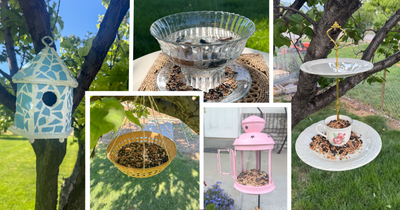
5 DIY Bird Feeders You Can Make from Thrifted Finds
Make beautiful DIY bird feeders and birdhouses out of thrifted items from Deseret Industries. Five easy projects plus tips for keeping backyard birds happy.

Building Skills and Finding Purpose: Andrew's Story at Deseret Industries
Andrew discovered firsthand how the Deseret Industries job training program offers more than work—it also offers belonging, learning skills, and finding purpose.