What Deseret Industries Tags Mean—and How to Use Them
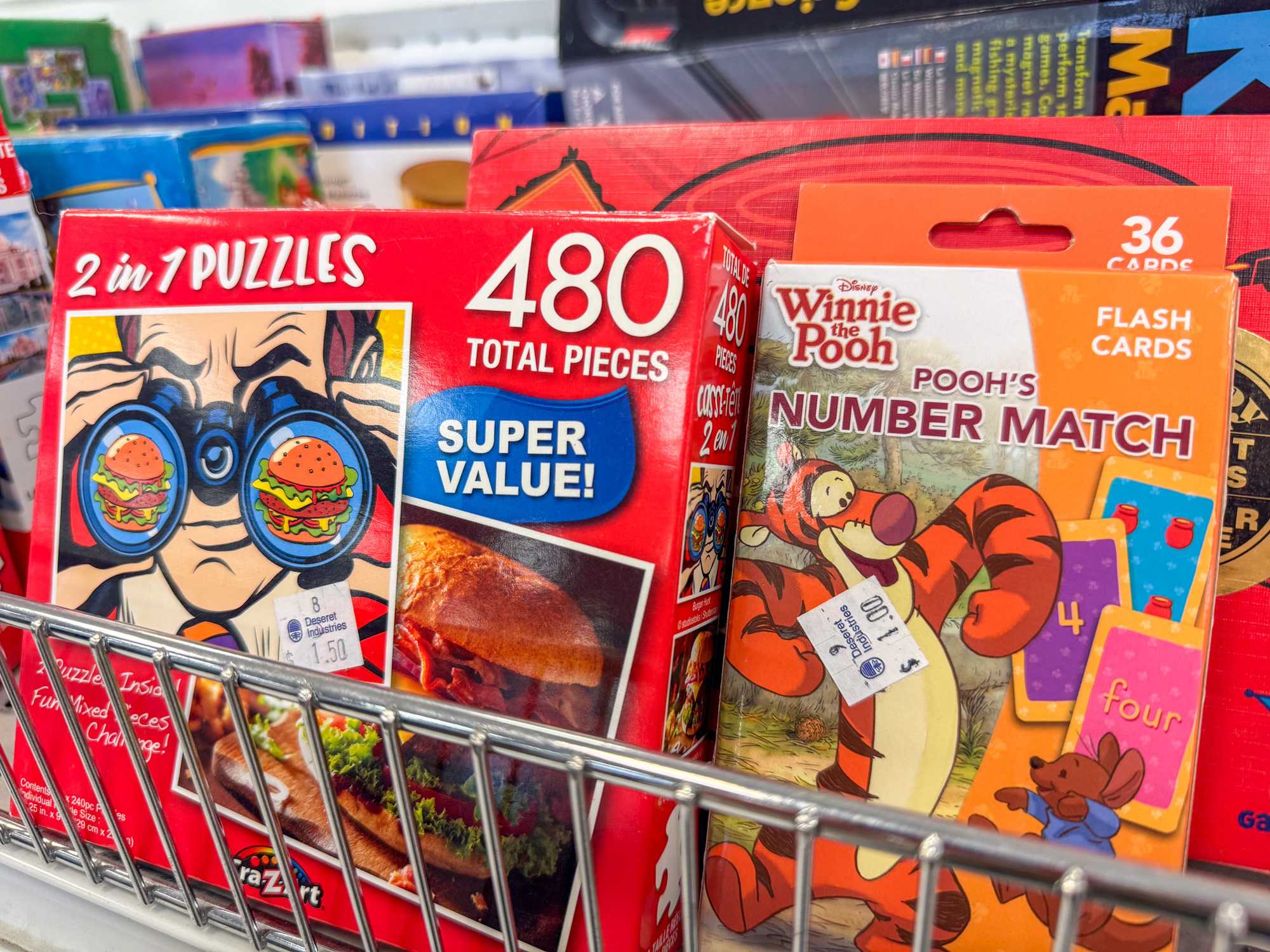
If you've ever walked through the aisles of Deseret Industries and wondered what all the tags and labels on items mean, you're not alone. For new shoppers and seasoned thrifters alike, understanding the tagging system at DI can make a big difference in how you shop, and how good of a deal you walk away with.
This article breaks down the different tags you'll encounter at Deseret Industries—from price and color rotation tags to sold tags on furniture. Once you know the system, you can shop with greater confidence and clarity. You'll know which items just arrived, which have been on the floor longest, and exactly what to do when something big catches your eye.
How to Read Deseret Industries Price Tags
The Deseret Industries tag you'll see most often is the price tag. These small stickers or tags are placed directly on clothing and items throughout the store, and they do more than just tell you the price.
Look closely and you'll notice a number at the top of the tag, just above the Deseret Industries logo. This number corresponds with the week of the year the item was placed on the retail floor at Deseret Industries. Here are a few quick facts about how it works:
-
Items are typically on the retail floor for four weeks and no longer than seven weeks before they're pulled to make room for new inventory.
-
Each tag's number tells you exactly which week of the year that item arrived.
-
Knowing how long items stay on the retail floor at Deseret Industries can help you strategically time your visits.
Pro tip: If you visit regularly, you can track when items were put out and know exactly how much time is left before they cycle off the floor, great for keeping an eye on something you love before it's gone.
If you pick up an item at Deseret Industries, can't find a price tag, and want to purchase it, head to the register, and an associate will be happy to help get a price for the item. And of course, please don't switch the tags. Keeping tags on the correct items helps maintain fairness for shoppers and supports the important work happening at DI stores.
Deseret Industries Tag Color Rotation: What Do the Colors Mean?
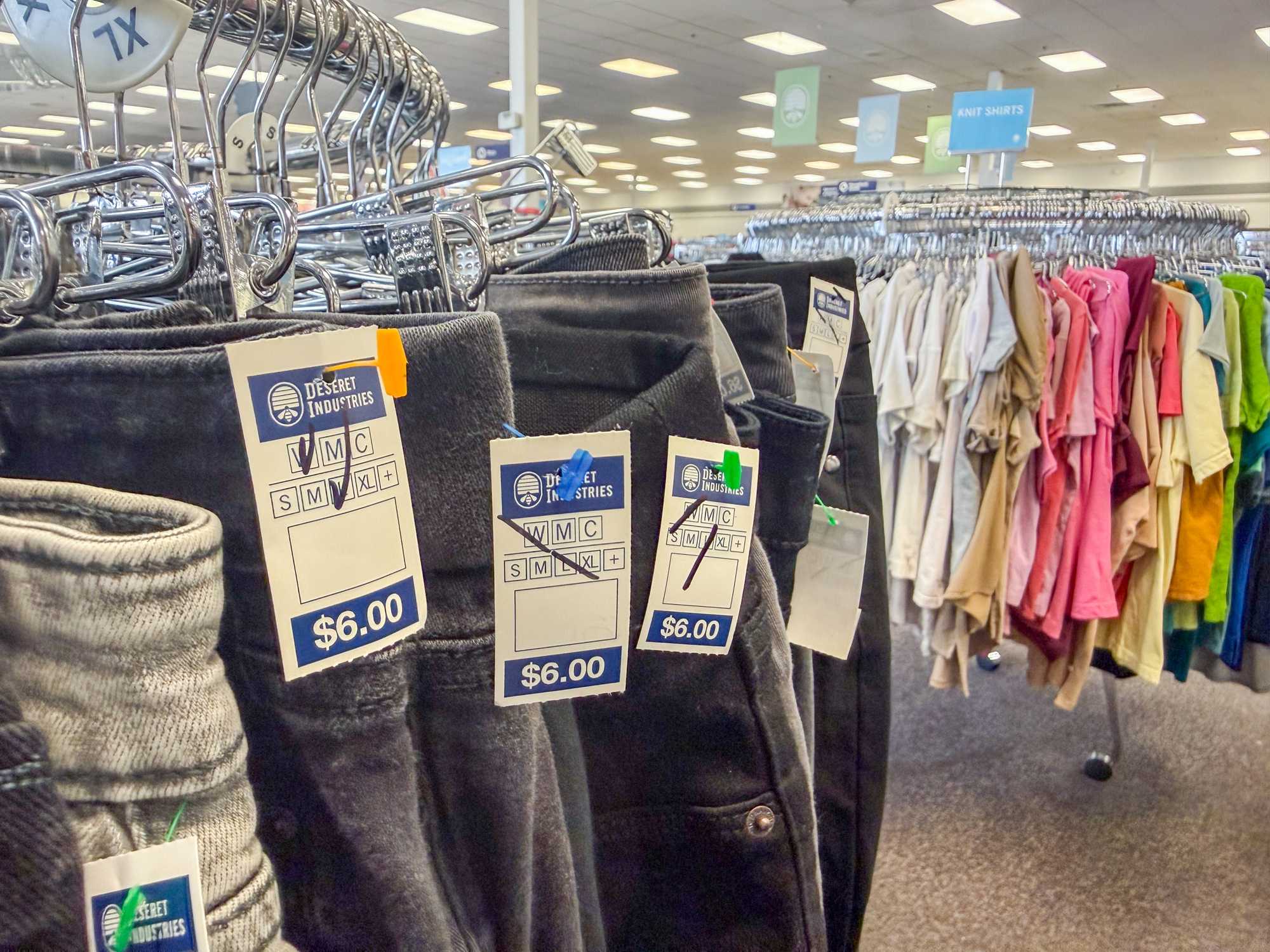
One of the most useful pieces of insider knowledge when it comes to shopping at Deseret Industries is noticing the different colors of tag fasteners used to connect the tags to items, and what the colors means.
The tag color system used at Deseret Industries is tied directly to the date an item arrived on the retail floor. Each color corresponds to a specific week, making it easy for associates to quickly identify which items have been out the longest and need to be pulled. This is how Deseret Industries keeps its inventory fresh and moving.
In the photo above, you can see examples of yellow, blue, and green fasteners. These colors are part of the four-week rotation system used across Deseret Industries stores. Each color represents a different week an item was processed and placed on the retail floor, so while the colors themselves won't immediately tell you which week is newest without a reference point, they're a helpful tool once you know what to look for. Associates use this system daily to keep the floor organized and stocked with fresh inventory.
For thrift shoppers, understanding the tag color system means you can start paying attention to patterns over time, noticing which colors seem to be newer arrivals versus items that have been on the floor longer. It's one of those behind-the-scenes details that gives you a deeper understanding of how Deseret Industries works and makes every visit a little more informed.
Sold Tags on Furniture at Deseret Industries
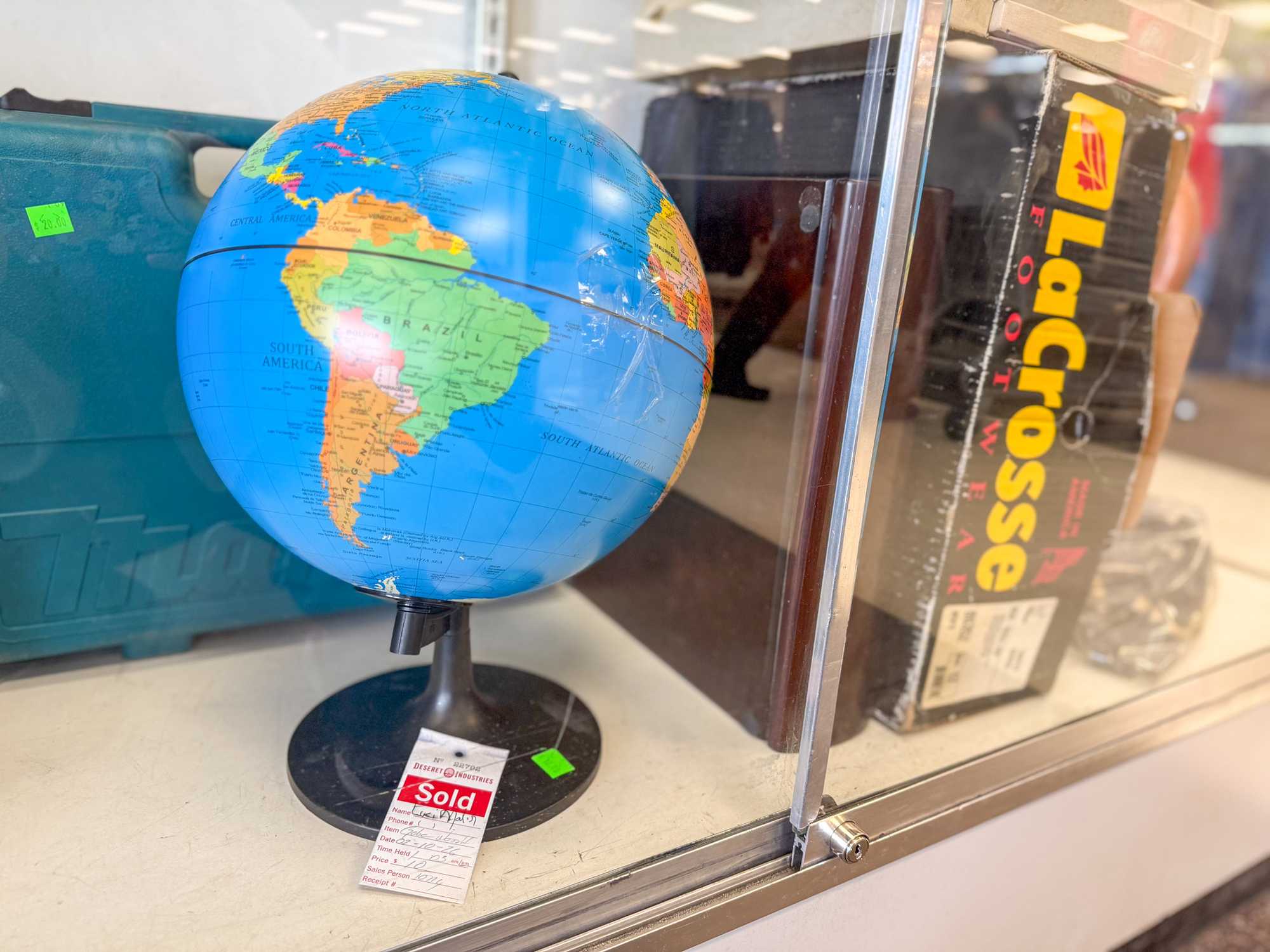
If you're browsing the furniture section and spot a sold tag on an item, it simply means that piece has already been purchased and is waiting to be picked up. Don't be discouraged, though! Similar pieces cycle through regularly at many of our locations.
If you find a piece of furniture at DI that you'd like to buy but it's too large to put in a cart, look for an associate in a red apron. They'll write your name, the time, and the price on a red tag and hand you a copy of the information to take to a cashier to complete your purchase. It's a simple process that makes buying furniture or other large items at Deseret Industries straightforward.
Tips for Getting the Best Deals at Deseret Industries
Now that you know how to read DI’s price tags and understand the color tag system that is used, here are a few extra tips to help you find the best deals:
-
Shop often. Inventory changes daily, and the best finds don't last long.
-
Learn the color rotation. Once you start noticing the color coding around you, you can zero in on when a new color appears on the retail floor and know those items are fresh arrivals that week.
-
Check every section. Great finds show up in unexpected places. Don't skip the housewares, books, or accessories aisles.
-
Be patient and consistent. The best finds come from shopping at Deseret Industries regularly; the more you visit, the better you'll know the floor and the faster you'll spot something worth taking home.
Why Shopping at Deseret Industries Matters
When you shop at Deseret Industries, you're doing more than finding a great deal—you're making a real difference. Deseret Industries is a non-profit thrift store and donation center, and every purchase goes toward funding the job training program that helps associates gain valuable skills and step into better employment opportunities. It's thrift shopping with purpose.
Ready to put your new DI tagging knowledge to work? Visit your local Deseret Industries and see what great finds await.
Recent Posts

Corey Found His Purpose Helping DI Associates Reach Their Goals
From criminal justice to Deseret Industries operations supervisor, Corey found his purpose helping DI associates reach their goals.

Building Skills and Finding Purpose: Andrew's Story at Deseret Industries
Andrew discovered firsthand how the Deseret Industries job training program offers more than work—it also offers belonging, learning skills, and finding purpose.
How to Use Color Analysis to Build Your Perfect Thrift Store Wardrobe
Discover your color season and learn how to use your personal color palette to thrift a flattering wardrobe at Deseret Industries.

Life, Liberty, and the Pursuit of Purpose: Deseret Industries and the American Spirit
Celebrating 250 years of America by looking at how Deseret Industries has embraced life, liberty, and the pursuit of happiness since 1938.